
Author: Jennifer Austin (BSc MS)
Lymphedema is a long-term swelling condition caused by poor drainage in the lymphatic system.
It often affects an arm or leg, but it can occur in other parts of the body. There is no cure, but symptoms are usually manageable with compression, exercise, skin care, and specialist treatment.
One of the biggest reasons skin care matters so much is that lymphedema makes the affected area more vulnerable to infection.
Small cuts, scratches, fungal infections, and dry cracked skin can let bacteria enter more easily, and skin infections can also make lymphedema worse.
But how can you prevent cellulitis when you have lymphedema? This is what we will look at in this article.
What Is Cellulitis?
Cellulitis is one of the most important infections to be aware of. It is a bacterial infection of the deeper layers of the skin.
Typical symptoms include redness, swelling, pain, warmth, and tenderness in the affected area. Some people also develop fever and chills.
It can happen in any part of the body, but it is common in the feet and legs.
If the red area spreads quickly, or if fever or chills appear, medical attention should be sought immediately. (cdc.gov)
Why People With Lymphedema Are at Higher Risk
People with lymphedema are at higher risk because fluid build-up can make the skin easier for bacteria to invade, and because any break in the skin can become an entry point for infection.
The risk is even higher if there is athlete’s foot, eczema, ulcers, insect bites, nail problems, obesity, or other causes of chronic swelling.
In other words, preventing cellulitis is not just about treating infection early; it is also about protecting the skin barrier and reducing swelling as much as possible. (nhs.uk)

Everyday Skin Care: Your First Line of Defence
The first line of prevention is everyday skin care.
NHS guidance recommends washing the skin daily, patting it dry, keeping it moisturised, and treating cuts and scratches straight away with antiseptic cream.
It also advises using insect repellent, sunscreen, gloves for gardening or household tasks, anti-fungal powder for the feet if needed, nail clippers rather than scissors, and proper foot care if the legs are affected.
The NHS also advises avoiding injections or blood pressure readings in the affected area whenever possible, because avoiding extra injury helps lower the chance of infection. (nhs.uk)
Why Moisturising Matters
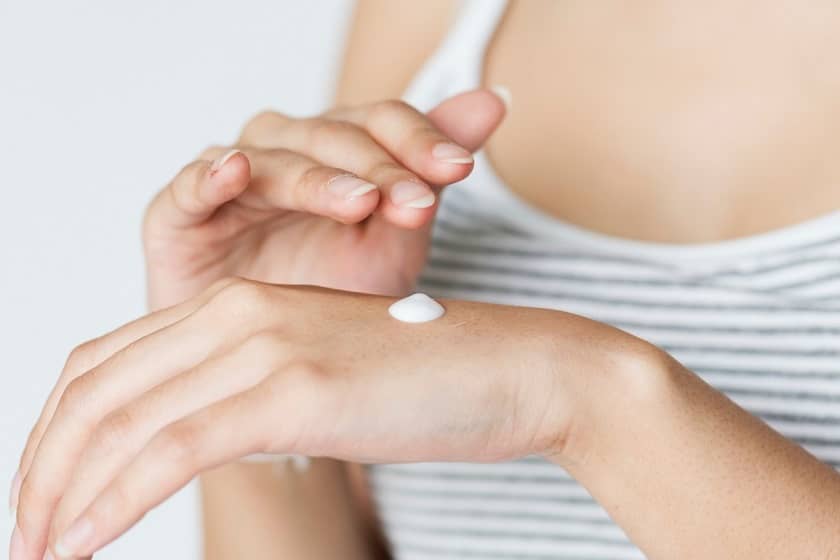
Moisturising matters more than many people realise.
Dry, cracked skin gives bacteria an easy route in, so keeping skin supple is not cosmetic care; it is infection prevention.
The National Cancer Institute also recommends protective gloves for cooking and gardening, lotion to prevent dryness, and prompt care for burns or cuts.
If a cut or burn does happen, it is worth asking a clinician whether an antibacterial ointment is appropriate. (cancer.gov)
Managing Swelling to Reduce Risk
Compression and movement are also part of the picture.
NHS guidance says lymphedema is usually managed by controlling fluid build-up, and that this often includes compression garments, regular movement and exercise, and specialised massage techniques.
The NCI likewise says compression garments, manual lymph drainage, exercise, elevation, and healthy weight management can help keep lymphedema under control.
Better control of swelling generally means less skin stress and fewer opportunities for infection. (nhs.uk)
Treating Fungal Infections Early
A very practical step is to treat fungal infections quickly, especially athlete’s foot.
The CDC notes that people who have had multiple cellulitis infections below the knee should be checked for fungal infections, and it lists athlete’s foot and eczema as skin conditions that can increase risk.
NHS advice also recommends anti-fungal powder for the feet when lower limbs are affected.
Toenail and skin fungus are easy to overlook, but they are common triggers for repeat cellulitis. (cdc.gov)
Recognising the Early Warning Signs
Knowing the warning signs can save time.
NHS guidance says to contact a GP as soon as possible if redness or heat develops in the skin, because these may be signs of infection. The Lymphoedema Support Network says cellulitis in lymphedema can begin with:
- Flu-like symptoms such as shivers
- Aches
- Headache
- Nausea or vomiting
- Red, hot, tender swollen area.
It also notes that immediate antibiotic treatment is important because cellulitis can damage lymph drainage further and leave swelling worse afterward. (nhs.uk)

What If Cellulitis Keeps Coming Back?
If cellulitis keeps coming back, specialist treatment may be needed.
Recent UK lymphoedema guidance says people with two or more attacks a year may be considered for antibiotic prophylaxis, but this decision should be made with a specialist lymphoedema service or microbiology team.
The same guidance stresses that risk factors such as cracked skin, wounds, fungal infection, and poorly managed swelling should be addressed first.
In some services, people with a history of cellulitis may also be given “just-in-case” antibiotics so they can start treatment promptly when familiar symptoms begin, but this should only be done under clinical advice. (thebls.com)
Conclusion
The key message is simple: cellulitis prevention in lymphedema is mostly about skin protection, swelling control, and fast response to early symptoms.
Wash, moisturise, protect the skin, treat fungal infections, wear compression as advised, and get medical help quickly if redness, heat, pain, or fever appears.
Those small habits can make a real difference in keeping one infection from turning into many.
Don’t forget to check out our other articles on skin care by clicking this link.
References
1/ NHS – Lymphoedema – https://www.nhs.uk/conditions/lymphoedema/
2/ NHS – Lymphoedema Prevention – https://www.nhs.uk/conditions/lymphoedema/prevention/
3/ NHS – Lymphoedema Treatment – https://www.nhs.uk/conditions/lymphoedema/treatment/
4/ CDC – About Cellulitis | Group A Strep – https://www.cdc.gov/group-a-strep/about/cellulitis.html
5/ National Cancer Institute – Lymphedema and Cancer – Side Effects – https://www.cancer.gov/about-cancer/treatment/side-effects/lymphedema
6/ Mayo Clinic – Cellulitis – Symptoms & Causes – https://www.mayoclinic.org/diseases-conditions/cellulitis/symptoms-causes/syc-20370762
7/ Lymphoedema Support Network – About Cellulitis – https://www.lymphoedema.org/cellulitis/about-cellulitis/
8/ British Lymphology Society – Guidelines on the Management of Cellulitis in Lymphoedema – https://www.thebls.com/public/uploads/documents/document-91311757952788.pdf
9/ NHS Wales Lymphoedema Clinical Network – Cellulitis Guidelines for People with Lymphoedema/Chronic Oedema in NHS Wales – https://lwcn.nhs.wales/files/cellulitis-pathway-final-v6-0-14-08-2024-pdf/
10/ Right Decisions NHS Scotland – Recurrent Cellulitis (Guidelines) – https://www.rightdecisions.scot.nhs.uk/tam-treatments-and-medicines-nhs-highland/adult-therapeutic-guidelines/lymphoedema/recurrent-cellulitis-guidelines/
Disclaimer – The information provided on this website is intended solely for educational purposes and should not be construed as medical advice. The information is not a substitute for professional diagnosis or treatment. Always consult a qualified healthcare provider before making any health‑related decisions. Lymphedemalifeline.org, its staff, and its authors assume no responsibility for any adverse outcomes resulting from reliance on the content herein.